Current Exhibit
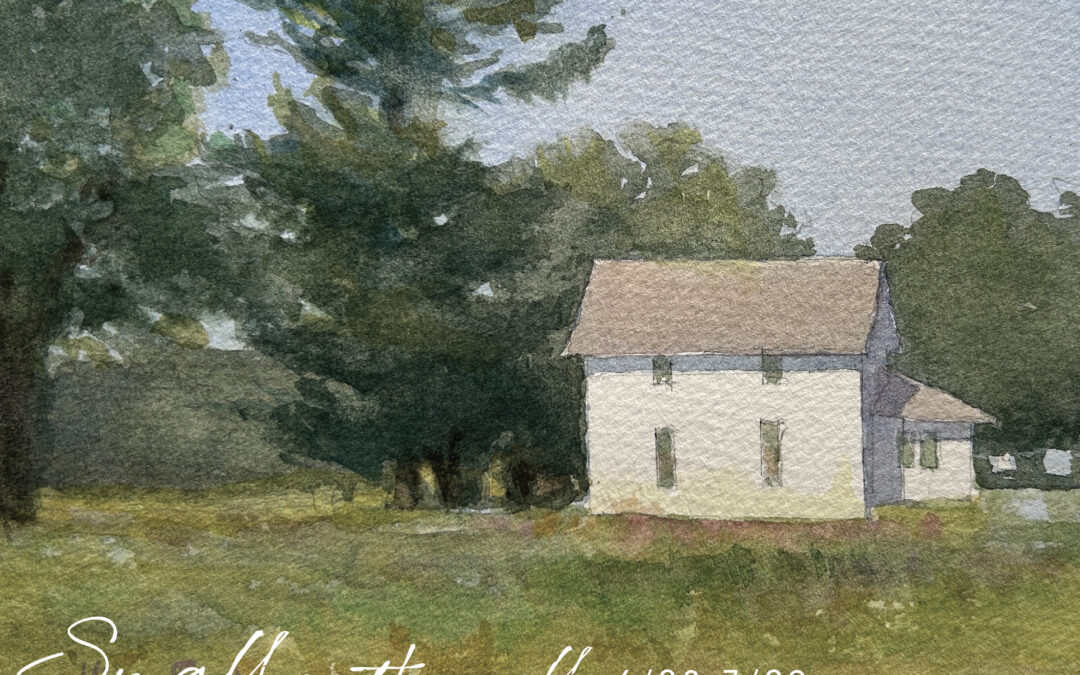
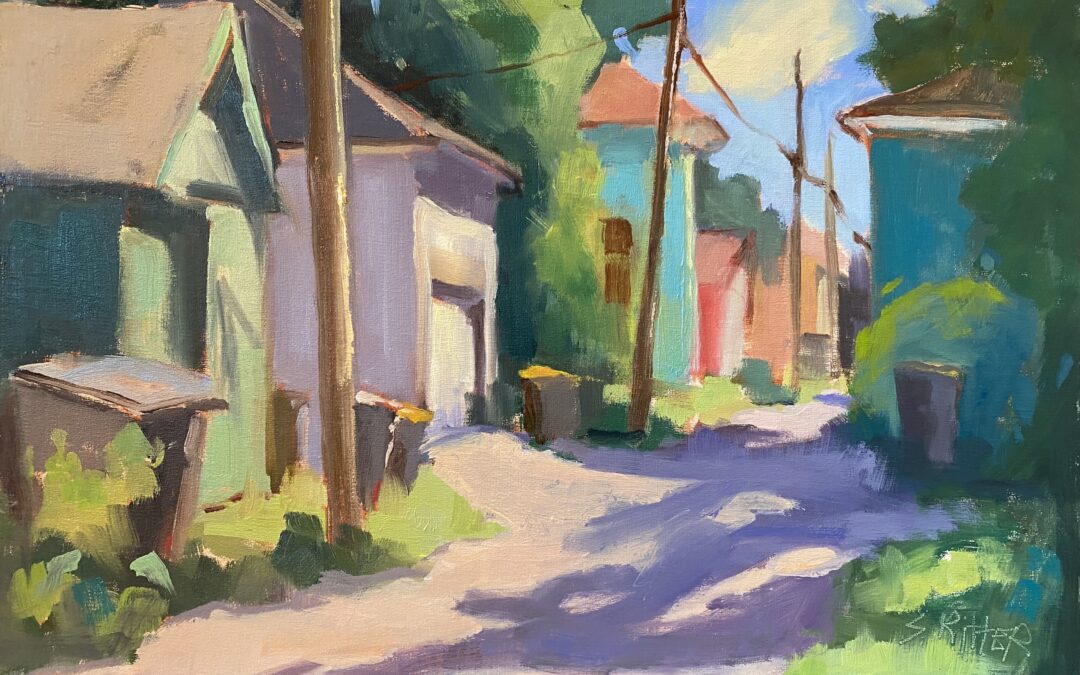
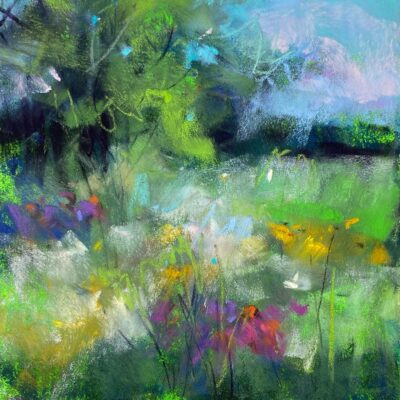
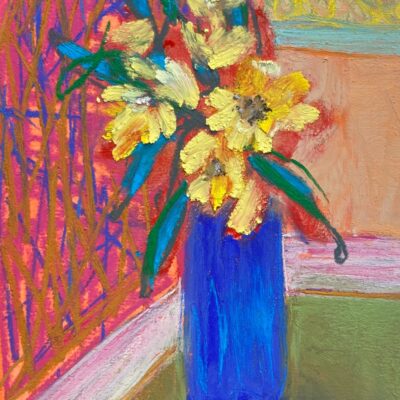
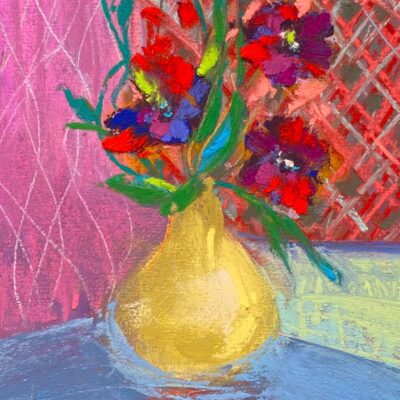
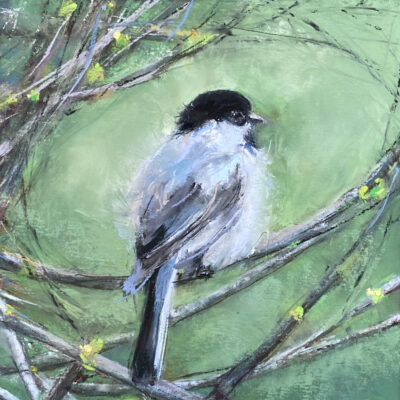
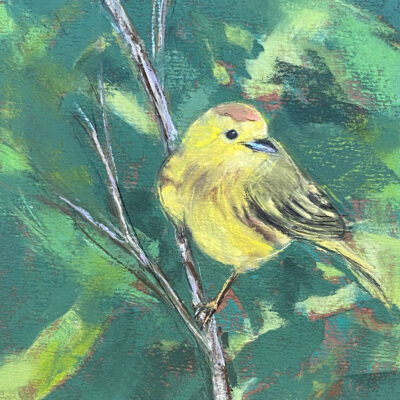
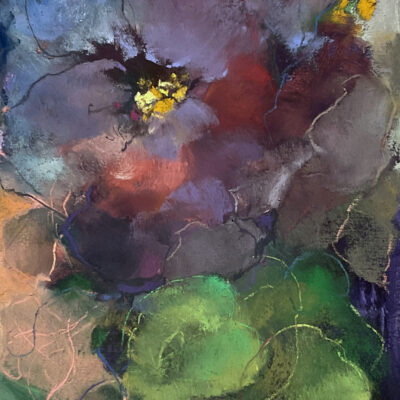
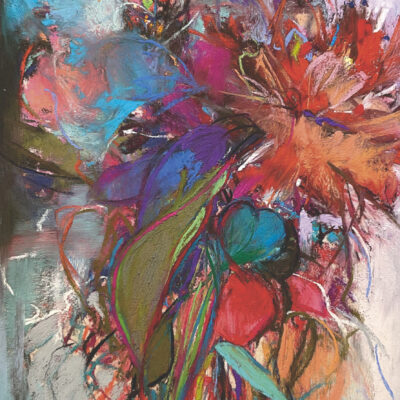
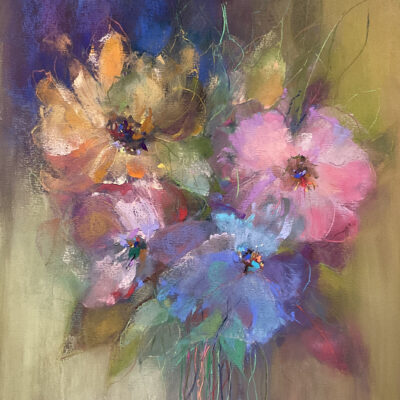
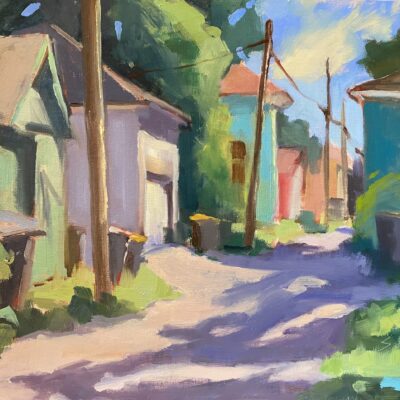
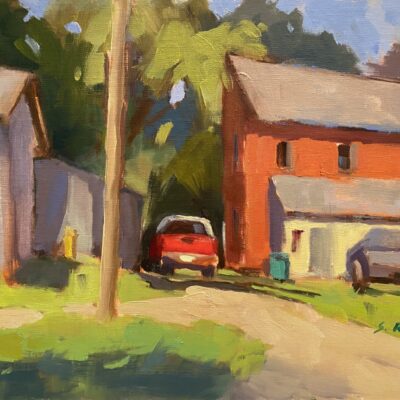
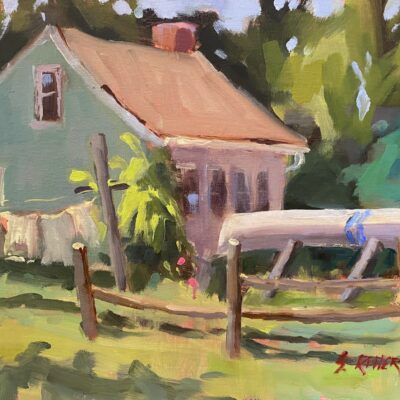
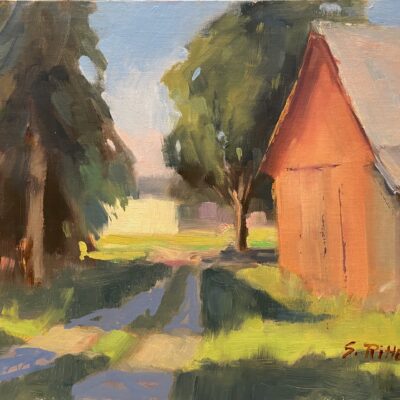
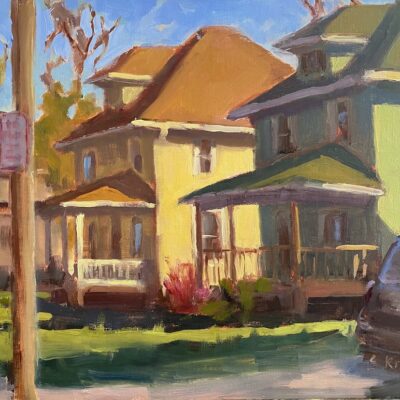
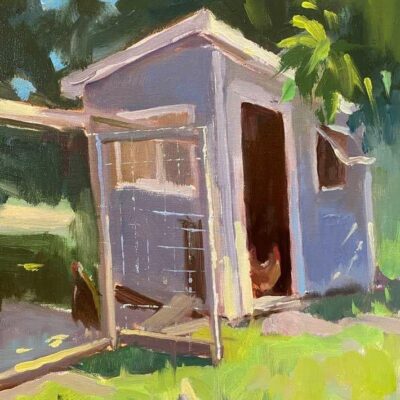
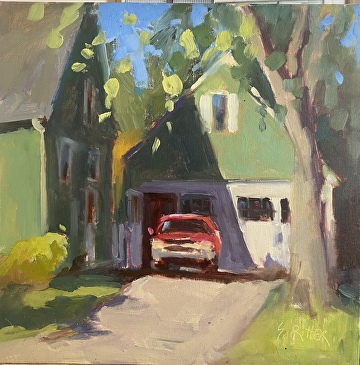
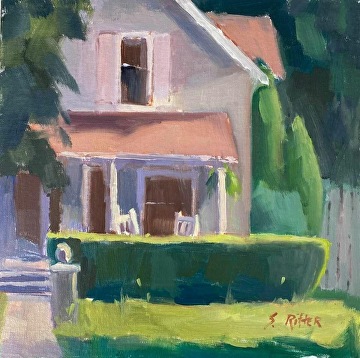
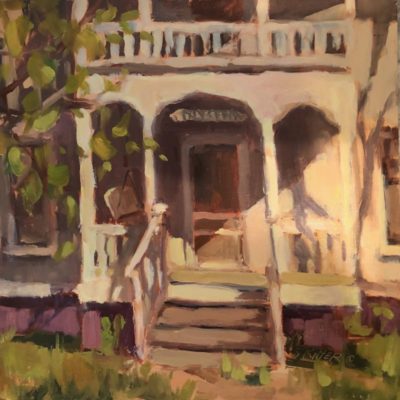
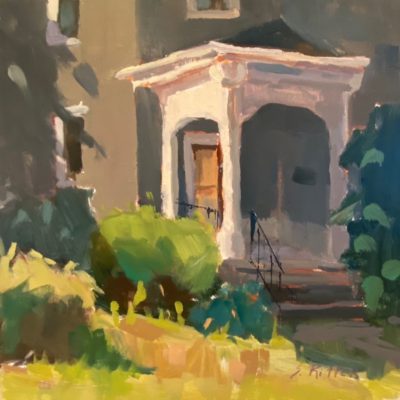
Our first annual “Small on the wall” exhibition 6/20-7/29. Please join us as we welcome artists Vianna Szabo, Sharon Will, Anne Kindl (and many more) for our opening reception on July 11th from 5-8pm. Small on the wall will showcase intimate art pieces no larger than 12×12. A sweet statement piece or perfect gift – for you or someone you love. You could build an entire wall around these small joys. Our exhibition opens during our Red Bird First Friday and the “Mini” meltdown themed event – where all things are a little smaller (and easier to buy).
Current Exhibit
November 1st- December 15th
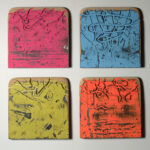
Dylan Strzynski- These bas relief sculptures are the result of a decades long attempt to synthesize a specific process that is both natural and human. The knotted, wiggly channels that meander across these pieces resemble the work of wood boring insects. But their form and technique are derived from the repairing of cracked road surfaces. These surfaces expand in summer heat and contract in winter freeze. At first, small cracks allow moisture to penetrate surfaces. The moisture freezes and expands. This drives the small cracks apart growing them into fissures that spread out across the driving surface. Eventually road crews fill the cracks by hand, applying hot tar with a large brush.
The spiderweb-like cracking of black top is a natural process induced by seasonal extremes. The application of tar is a human process that highlights and defines that natural process. The resulting marks are unusual because, although highlighting them is a deliberate act, the paths are predetermined by naturally occurring cracks. (The entire process can be further inverted when one considers that the cracking is partially caused by inconsistencies in the industrial application of a natural material processed by man.) However, it is not necessary to look beyond what results from the simple combination of natural cracks and the deliberate application of tar; strange pathways that are neither strictly deliberate nor solely natural.
At the same time, this is an opportunity to view a deep time process on a micro scale. The seasonal modulations that breakup roads are the same as those that carve canyons and erode the Sphinx. The act of mirroring these processes and transferring them into human size objects is a spiritual exercise.
Guiding a router across a piece of plywood layered with paint, glue and other post industrial accretions one is reminded of the slow forces of melting glaciers that formed our rivers and lakes 20,000 years ago. Drifting even further back, the Grand Canyon is believed to have begun forming 70 million years. At this scale one rotation of the spinning bit lasts longer than an empire.
A geological history of the American Southwest occupies a few square feet of wall in a room where plywood and power tools lead to a blissful loss of self.
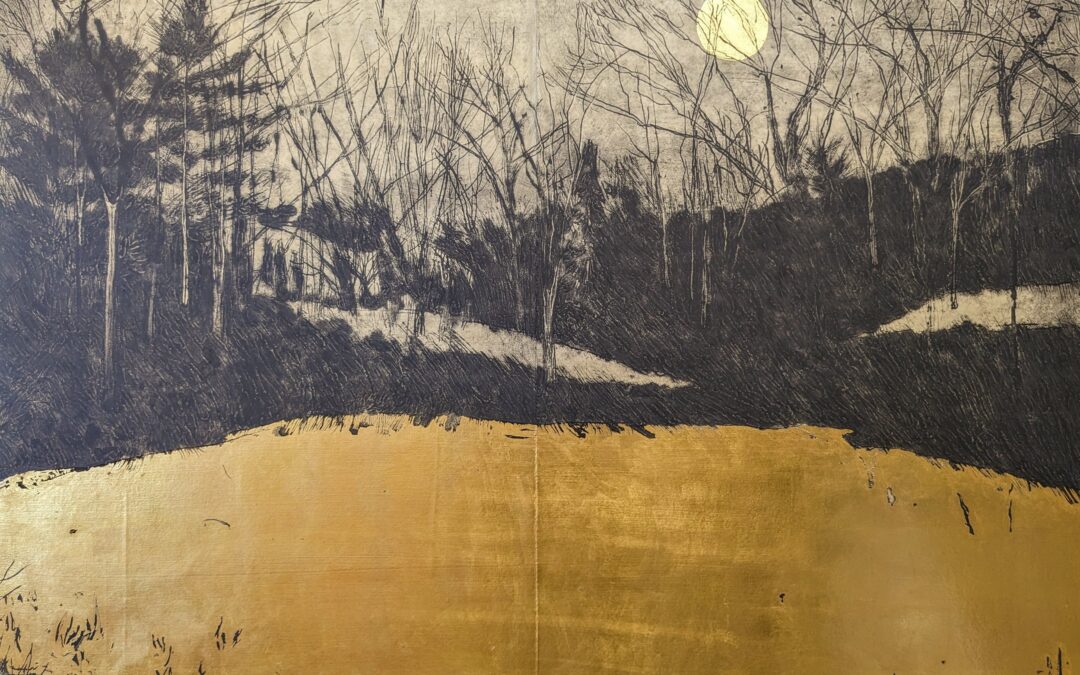
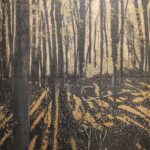
Helen Gotlib- The rules of printmaking have been defined by the medium’s masters and the limitations of its tools. Helen Gotlib pushes the boundaries of printmaking in terms of scale, presentation and process, proving that there are no rules, only spaces within which to innovate. Gotlib uses a small press and raw commercial materials to render uncommonly large print based images. The creation of her work is followed through with a style of presentation that brings it out of the 1600s and into today’s white wall art spaces.
Gotlib’s unorthodox approach to a traditional medium is balanced by adhering closely to her subject. Mystified by the gradual changes in terrain and flora that occur across seasons and agricultural zones, she is inspired by interactions with nature that occur during her frequent travels and daily adventures in the Michigan woods. She patiently and unvaryingly transfers her impressions of these encounters on to the blocks and plates that add up to the contemporary print based work she produces.
Current Exhibit
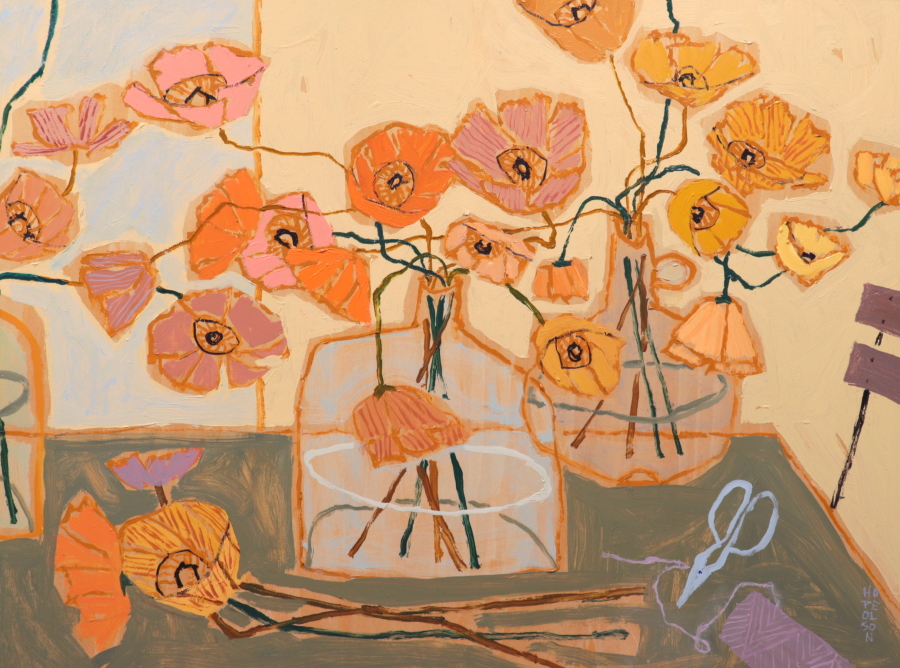
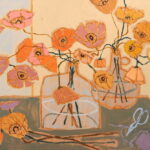
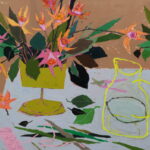
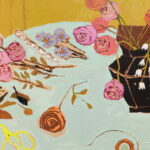
Hope Olson is a painter and mixed-media artist based in Holland, Michigan. Her art celebrates home, community, and slow, old-fashioned living. The compositions and colors of Hope’s abstracted still life and landscape paintings are inspired by her long-held affection for interior decorating, historic architecture, old country villages, and early 20th century art. Hope particularly borrows from the sensibilities of the Fauvist art movement, which emphasizes strong marks and colors that magnify mood and compel curiosity. She earned a B.S. in Interior Design from Olivet Nazarene University in Bourbonnais, Illinois, and also focused her college coursework in studio art and marketing.
view her pieces here
Current Exhibit, Past Exhibit
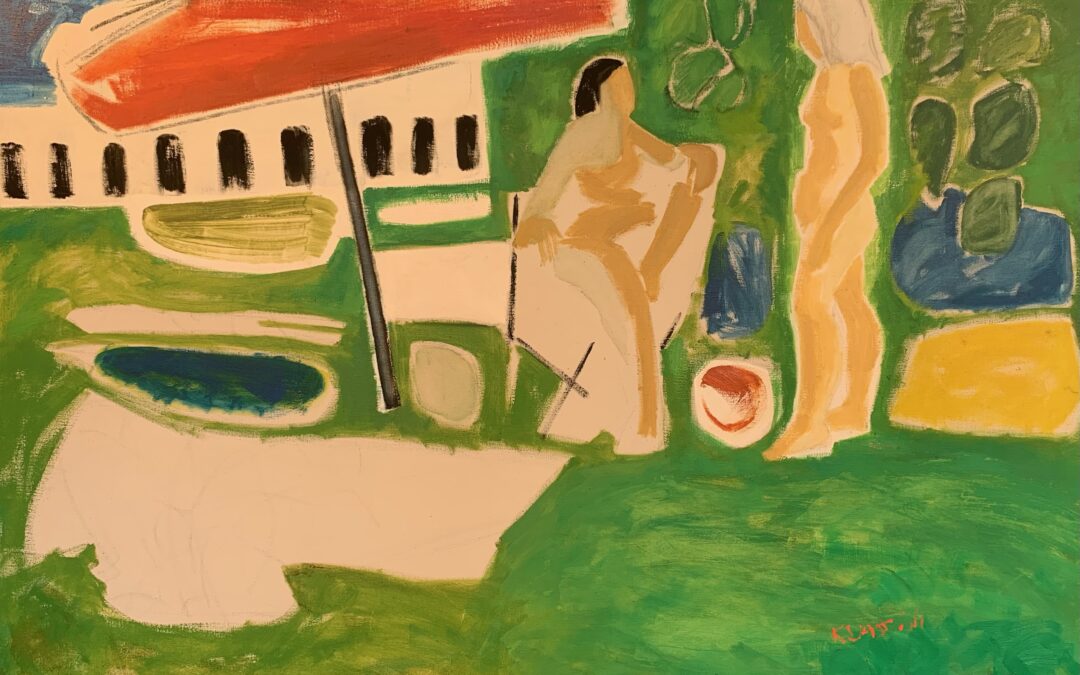
A duo of abstract and expressionism, movement and energy.
Kay Cassill, IWS, NWWS, MWCS
While Kay Cassill received a B.A. from University of Iowa with Honors in English in the `Writer’s Workshop’, her focus quickly changed to the visual arts when she found herself in Greenwich Village among the avant-garde painters of the era. From there she moved to Paris taking postgraduate work at the Academe de la Grande Chaumiere. She continued traveling and moved on to Bandol on the Riviera. Eventually she traveled to Carrara, Florence and Rome – for the art – and marriage to artist and writer R.V. Cassill. Returning to New York, Cassill continued postgraduate work at the New School with artist Julian Levi. Moving back to Iowa she took up postgraduate work with famed print maker Mauricio Lasansky and painter James Lechay. While there she became a member of the Iowa Print Group. She has also taken workshops with Karen Blackwood, Donna Zagotta and Mel Stabin. Eventually she settled in Providence, RI and Cape Cod. Cassill currently winters in Michigan but maintains a home and studio in Truro, MA. where she spends some months each year. She continues today creating paintings in oil and watermedia.
Style
Over her long career Kay has approached her subject matter with intensity whether it was while carving into copper plates, painting in water media or oil on various substrates or drawing with pen and ink. Her most recent concentration has been painting with water media on Yupo and oils on canvas and linen. As for her approach to painting she feels closest to the Figurative Expressionists. Her favorite subjects include figures interpreting her story-telling ideas but she sometimes side-steps when taken by a particular land or seascape.
Rachael Van Dyke
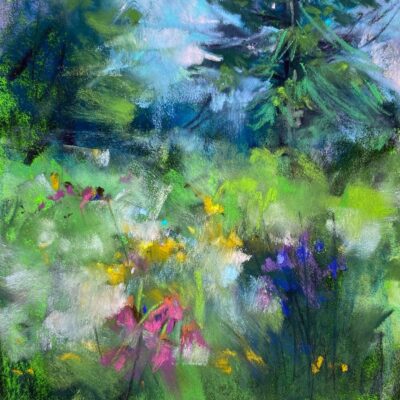
Rachael Van Dyke is a mid-career artist creating abstract landscape work inspired by living off the grid in the Blue Ridge mountains. Van Dyke is an avid traveler as an artist-in-residence and has participated in numerous national and international residencies. These residencies, particularly ones abroad, create boundaries that she is forced to work with and cause her to alter her technique. Most of these obstacles are related to traveling abroad; adjusting to new studio space constraints, change of temperature, lack or loss of art materials, poor foreign language skills, and shipping limitations. These boundaries also create stimulation for Rachael as an artist as she is forced to understand and come to terms with her limitations to see what can be created. Being open to a new color palette or a new visual language to express the land is necessary. She chooses to explore the region through walking or bicycling, visiting museums and historic sites, and trying her hand at engaging with local residents. Each body of work is influenced by place and tells a story of the people and land that she’s encountered.